Notice

Admission notifications, merit lists and circulars for the current session will be published on the notification board as they are issued by the school.

Go to Notifications
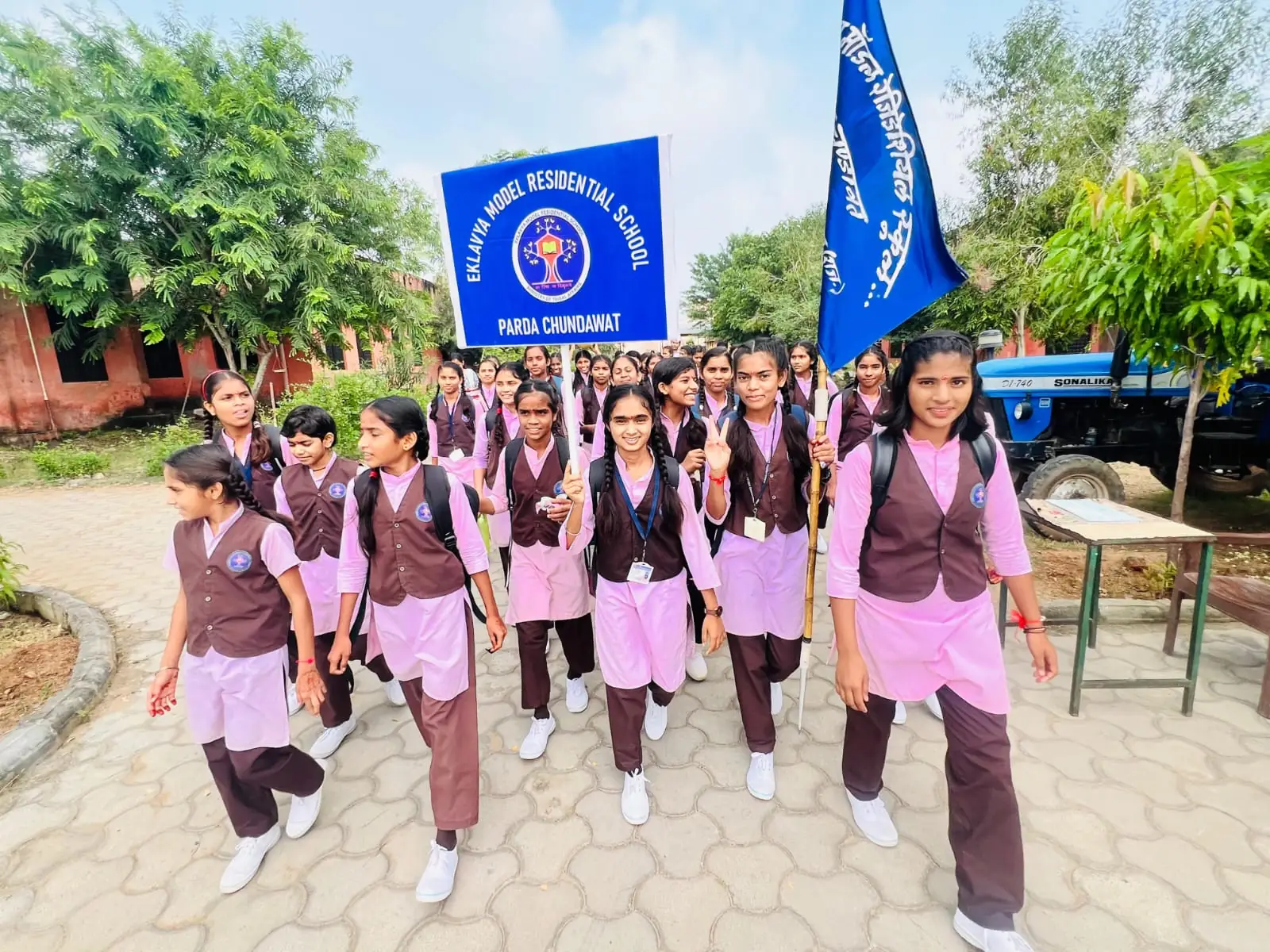
Students of Eklavya Model Residential School, Parda Chundawat walking with the school banner

CBSE Curriculum Classes VI–XII

Welcome to

Eklavya Model Residential School Parda Chundawat

Empowering Tribal Talent Through Quality Education, Discipline, Innovation & Values.

Explore Our School
Classes VI–XIIMiddle to senior secondary
Residential SchoolBoarding on a secure campus
CBSE CurriculumCentral board syllabus
Free EducationNo cost to ST families
Tribal EmpowermentUnder NESTS, Govt. of India
Government of India Scheme

Eklavya Model Residential School

Eklavya Model Residential School (EMRS) is a scheme of the Government of India for model residential schools serving Scheduled Tribe (ST) students across the country. It was established by the Ministry of Tribal Affairs and the schools are administered by the National Education Society for Tribal Students (NESTS).

EMRS

Eklavya Model Residential Schools

Fully residential schools for Scheduled Tribe students from Class VI to Class XII, each planned for a capacity of 480 students. Education, boarding and lodging are provided free of cost, with the focus placed on all-round development rather than academics alone.

See more
EMDBS

Eklavya Model Day Boarding Schools

Where the density of ST population in an identified sub-district is very high, day boarding schools are set up on an experimental basis. These give ST students access to the same standard of school education without a residential requirement.

See more
CoE

Centre of Excellence for Sports

Dedicated sports infrastructure with specialised facilities for one individual sport and one group sport in each State, including training, equipment, competition exposure and medical support as per the norms of the Sports Authority of India.

See more
Background

Grow more with EMRS Parda Chundawat

The EMRS scheme began in 1997–98 to bring quality education to Scheduled Tribe children in remote areas, so that they could go on to higher and professional courses and to employment across sectors. Construction and recurring costs were originally supported through grants to State Governments under Article 275(1) of the Constitution.

The scheme was revamped in 2018–19 to widen its reach and raise the standard of facilities. Under the revised approach, every block with more than 50% ST population and at least 20,000 tribal persons is to have an Eklavya Model Residential School. EMRS schools are placed on par with Navodaya Vidyalayas, with additional provision for preserving local art and culture alongside sports and skill development.

1997–98Scheme introduced
480Planned capacity per school
VI–XIIClasses on campus
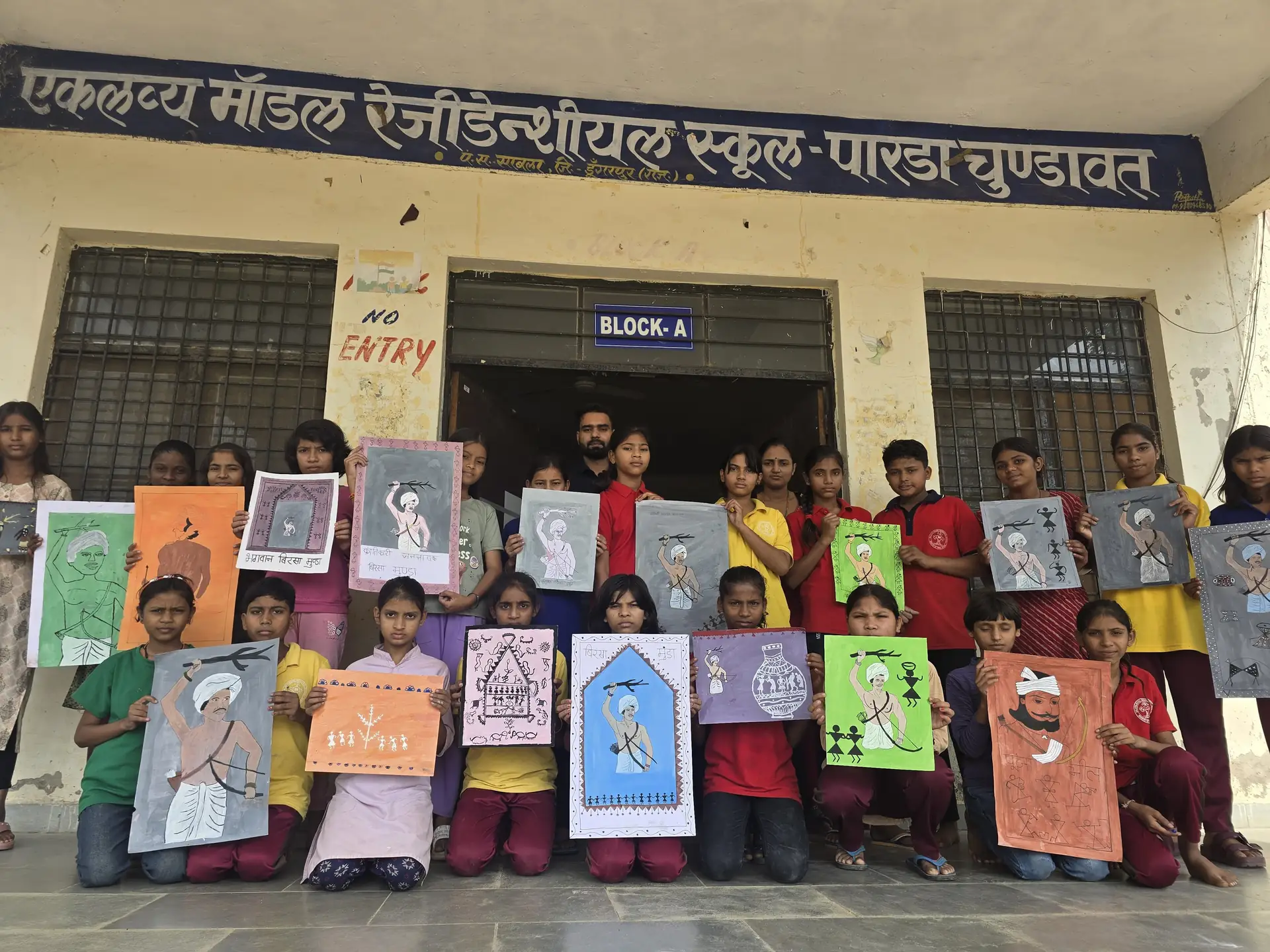
Students displaying their artwork in front of the Block A school building
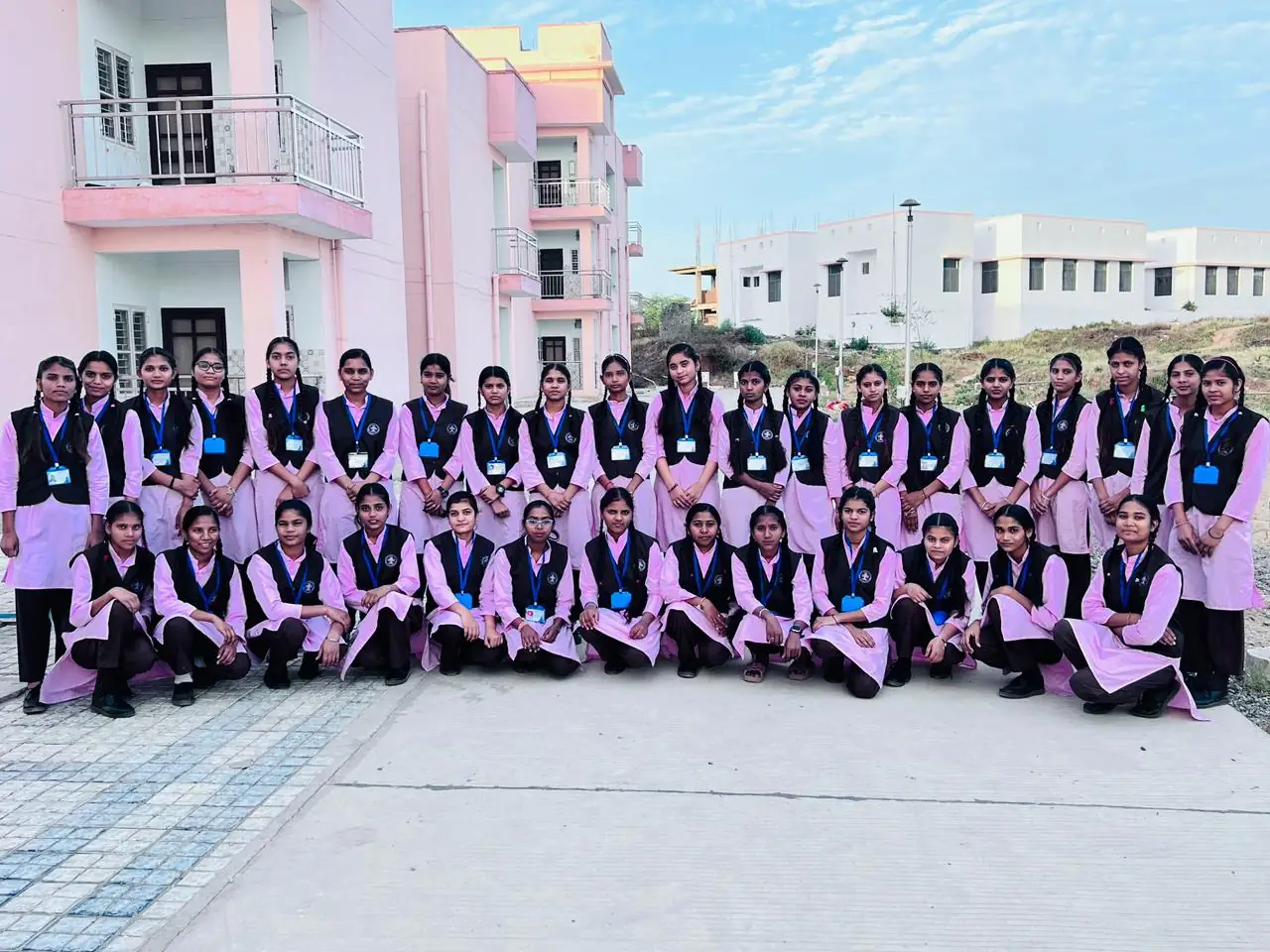
Students of EMRS Parda Chundawat in front of the campus residential blocks
Explore more

Find what you are looking for

The sections below cover the school, the scheme it runs under, and the notices published for students, parents and applicants.

01

Objectives

Why Eklavya Model Residential Schools exist, and what the scheme sets out to achieve for tribal students.

Explore
02

Mission & Vision

The direction the school works towards, and the values that guide daily campus life.

Explore
03

Career

Staff positions, walk-in interviews and recruitment notices are published on the notification board.

Explore
04

Photo Gallery

Photographs from the campus, classrooms, playground, cultural programmes and plantation drives.

Explore
05

Academic Result & Toppers

Board examination results and the students who topped each class, published session by session.

Explore
06

Notifications

Admission notices, merit lists, tenders, recruitment and circulars issued by the school.

Explore
Students of Eklavya Model Residential School, Parda Chundawat walking with the school banner

Available reservation in high and professional educational courses

EMRS was set up so that students from Scheduled Tribe communities in remote areas can compete for higher and professional education on equal terms. Admission notices for each session are published on the notification board.